
 русский
 简体中文
简体中文

Valve selection often begins with flow requirements, yet connection design and body construction frequently influence long-term performance just as much as internal flow characteristics. When engineers compare a Ball Valve with a Flanged Floating Ball Valve, attention usually extends beyond simple opening and closing functions. Installation conditions, maintenance expectations, and pipeline layout often become part of the decision.
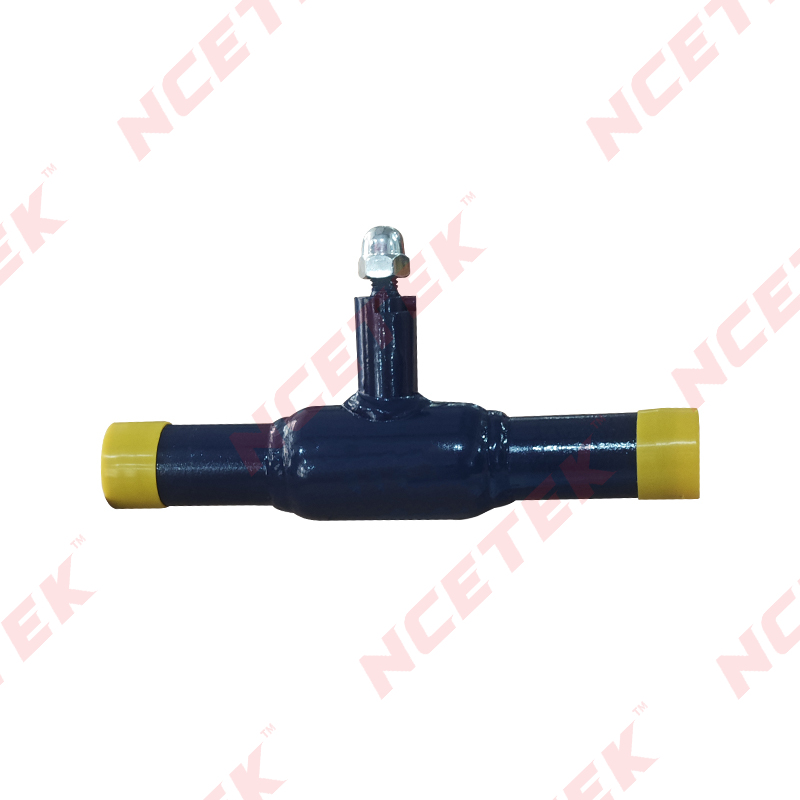
A Full Welded Ball Valve is built with a body structure that is permanently joined during manufacturing. The outer body forms a unified assembly, reducing the number of external connection points around the valve body itself. Once installed into a pipeline, the valve becomes closely integrated with the surrounding system.
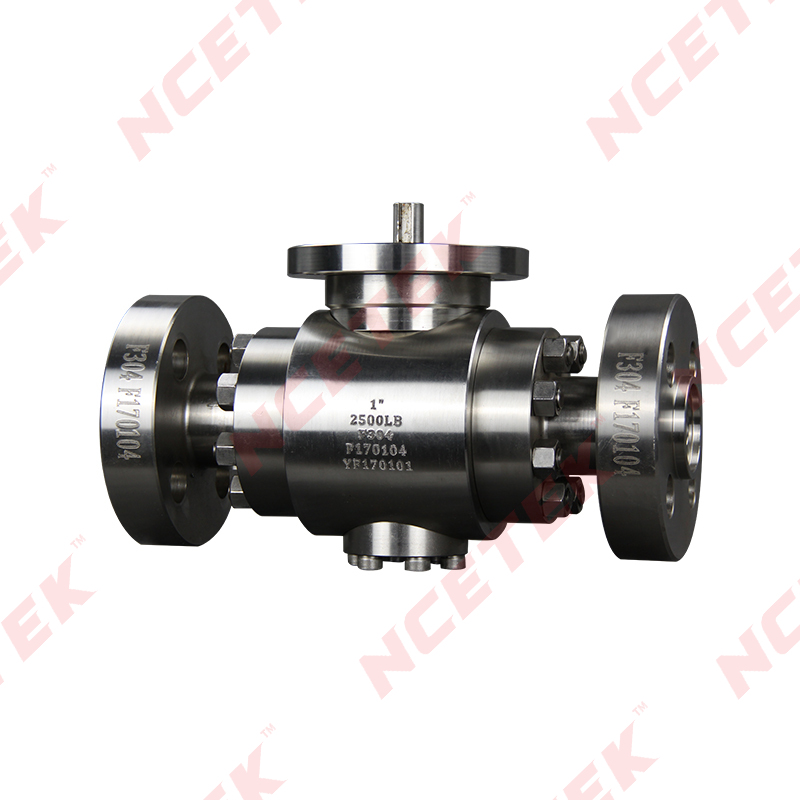
A Flanged Floating Ball Valve follows a different approach. Flanged connections allow the valve to be connected and removed through bolted joints. Such a configuration provides easier access when inspection, replacement, or modification becomes necessary during the operating life of the pipeline.
From a practical perspective, neither structure exists to replace the other. Each design reflects a different philosophy regarding accessibility, installation conditions, and long-term pipeline management.
The distinction becomes more visible when pipelines extend across large areas or when access to equipment becomes difficult after installation.
The environment surrounding a pipeline often influences valve selection long before flow conditions are analyzed in detail. A valve installed inside an accessible facility faces very different challenges compared with one placed underground or in a location that is rarely visited after construction.
In accessible environments, maintenance teams can inspect equipment regularly. Components can be removed, adjusted, or replaced with relatively little disruption. Under such circumstances, connection flexibility may become an important consideration.
Other installations operate under different realities. Pipelines buried beneath soil or placed in remote corridors may remain untouched for long periods. Accessing a valve may require excavation, service interruption, or significant preparation work. In such cases, minimizing future intervention often becomes a priority during the design stage.
Environmental exposure also plays a role. Moisture, soil movement, temperature fluctuations, and long operating cycles can gradually affect external components. The way a valve body is constructed influences how it responds to such conditions over time.
Rather than focusing only on fluid transport, engineers often evaluate how the surrounding environment will affect inspection practices, maintenance planning, and operational continuity throughout the service life of the pipeline.
Underground pipeline systems present a unique set of requirements because accessibility becomes limited after installation. Once a buried network enters operation, routine access is no longer as simple as opening an equipment room or entering a processing area.
For such applications, a Ball Valve is often considered because the unified body structure aligns well with installations intended to remain in service for extended periods with minimal physical intervention. Reducing external body joints can support long-term sealing consistency in environments where future access may be difficult.
Buried pipelines frequently encounter changing soil conditions, seasonal ground movement, and continuous exposure to moisture. Valve structures operating under these conditions must remain stable while becoming part of a larger network that may stretch across considerable distances.
Another consideration involves maintenance logistics. When a valve is installed below ground level, inspection procedures can require significant preparation. Excavation activities, service coordination, and operational planning may all become necessary before physical access is possible.
Common characteristics of underground installations include:
Such conditions often influence connection choices during the earliest stages of pipeline design.
Distribution networks are designed to transport resources across broad service areas while maintaining continuous flow through interconnected sections of infrastructure. In such systems, valve selection often involves balancing operational reliability with future maintenance requirements.
A Full Welded Ball Valve is frequently associated with networks where reducing interruption opportunities becomes an important design objective. Since distribution systems may operate continuously over long periods, designers often look for configurations that integrate smoothly into the pipeline structure.
Large distribution layouts may include numerous valve locations positioned throughout the network. Each installation contributes to the overall operational strategy, particularly in sections where routine access is limited or where maintenance activities may affect service continuity.
At the same time, system operators must consider how individual valve choices influence future management practices. A decision made during installation may affect inspection planning, repair strategies, and operational flexibility years later.
Valve selection within distribution networks therefore reflects more than immediate operating conditions. It often represents a balance between current construction priorities and future infrastructure management.
Remote pipeline corridors introduce practical challenges that differ from those encountered in urban facilities or processing plants. Equipment installed in isolated areas may remain far from maintenance resources, technical personnel, and support infrastructure.
Travel requirements alone can influence maintenance planning. A simple inspection task may require considerable preparation, especially when weather conditions, terrain, or access restrictions affect mobility.
Under such circumstances, reducing future intervention needs often becomes an important consideration. A Full Welded Ball Valve is frequently evaluated for these installations because the integrated body structure aligns with operational strategies focused on long service periods between maintenance activities.
Remote locations also create scheduling challenges. Maintenance visits may be planned months in advance and coordinated alongside broader operational activities. Any component requiring frequent access can increase logistical complexity throughout the life of the system.
Several factors commonly influence valve selection in remote environments:
For many pipeline operators, the question is not only how a valve performs today, but also how manageable the installation remains years after construction is complete.
Even in systems where welded structures are common, a Flanged Floating Ball Valve still holds a clear position in many installations. Its connection method allows the valve to be removed from the pipeline without cutting or permanent alteration, which becomes useful in environments where inspection routines are frequent or system adjustments are expected over time.
In processing facilities or service areas where equipment is arranged in accessible layouts, flanged connections allow maintenance teams to open sections of the pipeline with controlled downtime. Components can be detached, inspected, and reinstalled with relatively direct access, which supports flexible maintenance planning.
Systems that undergo periodic modification also benefit from this structure. When pipeline sections need adjustment, expansion, or replacement of internal components, flanged connections reduce the complexity of disassembly work.
Typical situations where flanged floating designs appear include:
The key advantage is not related to flow performance alone, but to how easily the system can be opened and reclosed when operational needs change.
Maintenance planning often separates Full Welded Ball Valve systems from Flanged Floating Ball Valve systems due to differences in accessibility and structural design.
For welded configurations, maintenance activity tends to focus on external inspection and system-level monitoring. Since the body structure is not designed for frequent opening, attention shifts toward pipeline condition, joint stability, and long-term sealing performance. When intervention becomes necessary, it usually involves more extensive preparation.
Flanged systems follow a different pattern. Bolted connections allow controlled disassembly, which makes internal inspection more direct. Seals, seats, and internal components can be accessed without altering the pipeline structure itself.
| Aspect | Full Welded Ball Valve | Flanged Floating Ball Valve |
|---|---|---|
| Access to internal parts | Limited, indirect | Direct through flange removal |
| Maintenance frequency | Lower intervention tendency | More routine inspection possible |
| Pipeline interruption | Higher preparation required | More flexible shutdown handling |
| Repair approach | External or replacement-based | Component-level servicing |
| System continuity planning | Long-cycle focus | Flexible scheduling |
Maintenance strategy is therefore shaped not only by valve performance, but also by how easily the system can be physically accessed when service is required.
Operating conditions often influence valve selection as much as installation environment. Pressure variation and temperature changes inside a pipeline can affect sealing behavior, structural stability, and long-term reliability.
A Full Welded Ball Valve is frequently used in systems where stable containment is needed under continuous operating conditions. The unified body structure reduces potential external joint points, which helps maintain consistency under fluctuating internal conditions.
Flanged Floating Ball Valves operate well in systems where operating conditions remain within controlled ranges and where periodic inspection is part of normal operation. The floating ball design allows slight movement under pressure, helping maintain contact with sealing surfaces during operation.
Thermal variation also plays a role. Expansion and contraction within pipeline systems can gradually influence connection points. Welded structures distribute these effects across a continuous body, while flanged systems absorb changes at connection interfaces.
Key operating influences include:
The interaction between these factors determines how each valve type performs over extended service periods.
Different industrial sectors apply valve types based on how their systems are built and how often access to equipment is expected.
Full Welded Ball Valve systems are commonly associated with long-distance transmission pipelines, underground networks, and infrastructure where continuous operation is prioritized and physical access is limited. These environments often focus on reducing intervention needs once installation is complete.
Flanged Floating Ball Valves appear more frequently in processing facilities, distribution stations, and plant environments where equipment is arranged for accessibility. In such settings, maintenance activities form part of regular operational routines, and disassembly is not considered disruptive to system design.
Sector tendencies can be viewed in a general way:
Rather than being restricted to a single industry, both valve types coexist across many sectors depending on system layout and operational strategy.
Valve selection usually involves more than comparing structural differences. Real application conditions often determine which design is more suitable for long-term use.
One important factor is installation location. Systems placed in buried, remote, or difficult-to-access areas often require solutions that reduce future intervention needs. In contrast, accessible environments allow more flexibility in maintenance planning.
Maintenance expectations also influence the decision. If a system is designed for periodic inspection and component-level servicing, flanged structures may align better with operational routines. If minimal intervention is preferred over long cycles, welded configurations may be considered.
Operational continuity requirements play another role. Systems that cannot tolerate frequent shutdowns often benefit from reduced disassembly needs, while systems with planned downtime can support more flexible maintenance approaches.
A practical decision checklist often includes:
In many real projects, the choice is not absolute. Different sections of the same pipeline network may use different valve types depending on local conditions, creating a mixed configuration that reflects real operational needs rather than a single design preference.
 nce@cnnsv.com
 +86-15727968392 / +86-15397375798
 +86-577-67091815
 +86-577-67091815
 Dongou Industrial Zone, Oubei Street, Yongjia County, Wenzhou City, Zhejiang Province, China


Contact Us