
 русский
 简体中文
简体中文

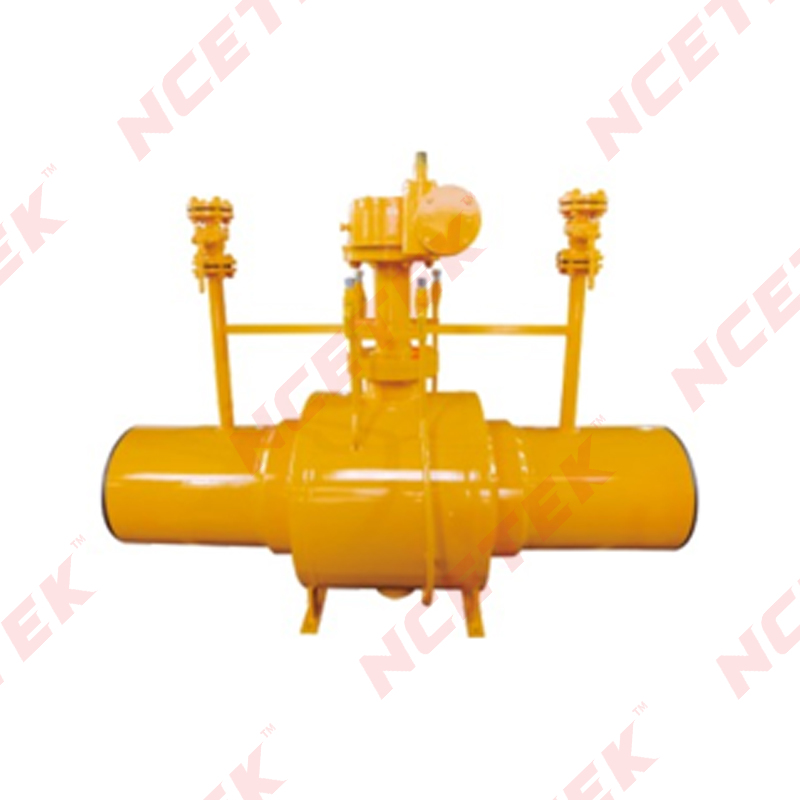
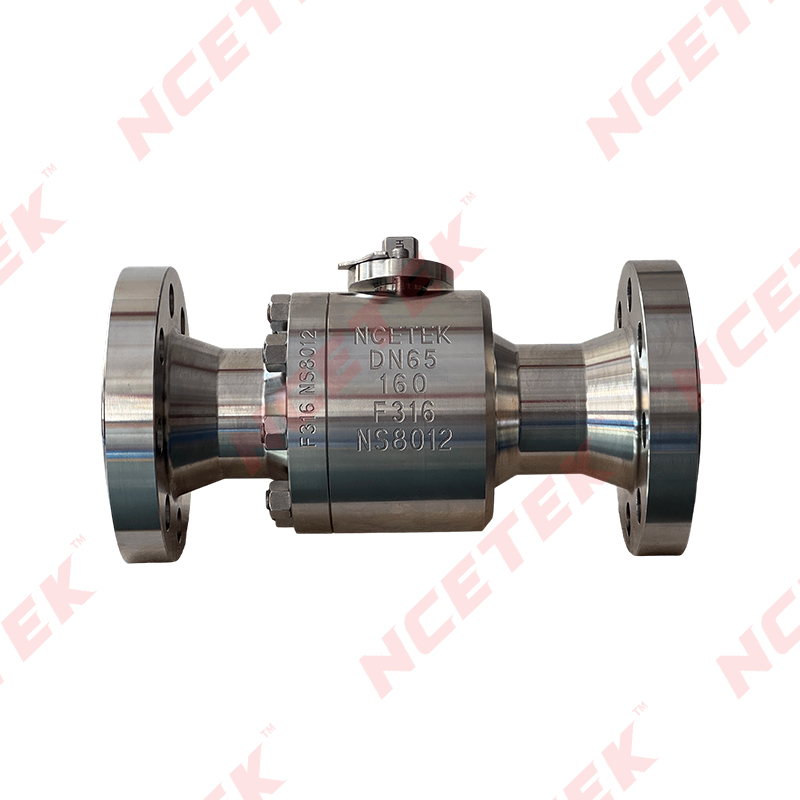
A pipeline carries fluid under pressure for years without interruption. The valves along the pipeline control flow and provide shutoff capability. A valve failure means pipeline shutdown, lost production, and repair costs. The Full Welded Ball Valve addresses these concerns through its construction.
The full welded design eliminates bolted connections. Traditional valves have bolted body joints that can loosen over time. Vibration and thermal cycling work on the bolts. A small leak at a bolted joint grows over time. The full welded valve has no bolts to loosen.
The welding creates a single piece body. The valve body fuses into one continuous structure. The welding material matches the body material. No gaskets exist between body sections. The elimination of gaskets removes a common leak path.
The Full Welded Ball Valve also resists external damage. The smooth welded surface has no crevices where corrosion starts. The valve body maintains its strength under pressure cycling. The welded construction provides a robust barrier against pipeline stresses.
The following table compares full welded design with traditional bolted design:
A pipeline owner selecting a Full Welded Ball Valve chooses longevity. The initial cost may be higher than a bolted valve. The long term reliability and reduced maintenance justify the investment.
The valve material determines how long the valve lasts. A pipeline carries different fluids at different temperatures. The material must resist corrosion, erosion, and temperature effects.
Carbon steel serves as a common body material. The steel provides strength at a reasonable cost. Carbon steel works well for natural gas and water pipelines. The material requires protective coating or cathodic protection in corrosive environments.
Stainless steel offers better corrosion resistance. The chromium content forms a protective oxide layer. Stainless steel works for pipelines carrying corrosive fluids or operating in corrosive environments. The material costs more than carbon steel but lasts longer.
The ball itself needs a hard surface. The ball rotates against the seats. The surface must resist wear from repeated operation. Chrome plating adds hardness to the ball surface. Hard chrome surfaces last through thousands of cycles.
Special coatings exist for severe service. Tungsten carbide coatings resist abrasion from sand or other particles. Nickel plating provides corrosion protection. The coating selection matches the pipeline fluid conditions.
The stem material matters for operation. The stem connects the actuator or handle to the ball. The stem must resist torque and corrosion. Stainless steel stems work for most applications. Inconel stems serve high temperature or highly corrosive services.
A Welded Ball Valve Supplier provides material certificates with each valve. The certificate confirms the material meets the specification. The buyer reviews the certificate before accepting the valve. Material traceability ensures the right material went into the valve.
The valve size must match the pipeline size. A valve smaller than the pipeline restricts flow. A valve larger than the pipeline adds unnecessary cost and weight. The correct size maintains the pipeline flow characteristics.
The nominal pipe size gives a starting point. A 6 inch pipeline requires a 6 inch valve for full flow. The Full Welded Ball Valve with full bore design provides the same flow path as the pipeline. A full bore valve does not restrict flow.
Reduced bore valves have a smaller opening than the pipeline. The reduction creates a pressure drop. A reduced bore valve works when the pressure drop is acceptable. The reduced bore costs less and weighs less than a full bore valve.
The valve pressure rating must exceed the pipeline pressure. A pipeline operating at 600 pounds per square inch needs a valve rated for at least that pressure. The rating includes a safety margin over the operating pressure. A standard rating like Class 600 covers many pipeline pressures.
The flow rate affects valve selection. A higher flow rate needs a larger valve opening. The velocity through the valve should stay within acceptable limits. High velocity causes erosion and noise. The valve size selection keeps velocity within limits.
A pipeline designer calculates the required valve size based on flow rate and pressure drop. The calculation considers the fluid properties and pipeline layout. The selected Full Welded Ball Valve meets the calculated requirements.
| Feature | Full Welded Ball Valve | Bolted Ball Valve |
|---|---|---|
| Body Joints | Welded, no gaskets | Bolted, with gaskets |
| Leak Paths | Fewer potential paths | Multiple gasket and bolt paths |
| External Corrosion Resistance | Smooth, crevice free | Crevices at bolted joints |
| Maintenance Requirements | Minimal, no bolt tightening | Regular bolt torque checks |
| Installation Time | Standard welding | Standard bolting |
| Long Term Reliability | Higher | Moderate |
The sealing components inside the valve stop leaks. The ball seats press against the ball surface. The seats create a seal on the upstream and downstream sides. The seat material determines the seal effectiveness.
PTFE seats serve many applications. The material resists chemicals and provides a low friction surface. The PTFE allows smooth ball rotation. The material has a temperature limit around 400 degrees Fahrenheit. PTFE works for moderate temperature services.
Nylon seats offer higher temperature capability. The nylon resists wear better than PTFE. The material handles temperatures up to 250 degrees Fahrenheit. Nylon works for high cycle applications where wear is a concern.
Metal seats serve extreme conditions. The metal to metal seal handles high temperatures. The metal seats resist erosion from abrasive fluids. The metal seal requires higher torque to operate. The valve operation feels stiffer than with soft seats.
The seat design affects the seal. A floating ball design uses the upstream pressure to push the ball against the downstream seat. The pressure helps the seal. A trunnion mounted ball has fixed supports. The seats move to seal against the fixed ball.
The stem seals prevent leakage around the rotating stem. The stem extends through the valve body to the outside. Packing or O rings seal the stem. The packing material must withstand the fluid and temperature.
A Welded Ball Valve Supplier tests each valve for seat leakage. The test applies pressure to the valve in the closed position. A leak rate below the standard specification indicates a good seal. The test ensures the valve will seal in service.
The pipeline operating conditions determine the valve design. Temperature, pressure, and fluid type all affect valve selection. A valve chosen for one set of conditions may fail under different conditions.
Temperature affects material strength and seal performance. A valve operating at high temperature expands. The expansion changes clearances inside the valve. The ball and seats must accommodate the expansion. A valve designed for high temperature has larger clearances.
Pressure cycling causes fatigue on the valve body. A pipeline that cycles pressure daily stresses the valve. The pressure changes cause the body to expand and contract. The full welded design resists fatigue better than bolted designs.
The fluid type affects material selection. Corrosive fluids require corrosion resistant materials. Abrasive fluids require hard surfaces. The fluid may contain solids that settle in the valve cavity. A Full Welded Ball Valve design often includes a cavity relief to prevent pressure build up.
The operating frequency affects the valve selection. A valve operated daily needs different features than a valve operated yearly. Frequent operation requires low torque seals. Infrequent operation requires seals that do not stick.
The external environment affects the valve. A pipeline installed underground requires corrosion protection. A pipeline installed above ground in a coastal area requires salt resistance. The valve coating and material selection account for the environment.
The pipeline owner provides operating conditions to the valve supplier. The conditions include maximum and minimum temperature, maximum pressure, and fluid composition. The valve selection matches these conditions with an appropriate safety margin.
A reliable Welded Ball Valve Supplier follows a quality assurance process from material sourcing to final testing. The supplier's reputation depends on delivering valves that perform as expected. The quality assurance steps protect both the supplier and the pipeline owner.
The supplier starts with material verification. The steel mill provides material test reports for each batch. The supplier checks the reports against the purchase specification. A third party may also test samples from each batch. The material enters production only after verification.
During manufacturing, the supplier monitors critical dimensions. The ball diameter must match the seat dimensions precisely. A small deviation causes leakage or high operating torque. The supplier measures every critical dimension during production.
Welding procedures receive special attention. The welding process requires qualified welders and approved procedures. A sample weld from each production run gets tested. The test confirms the weld meets strength and quality standards.
The supplier performs pressure tests on every valve. The test pressure exceeds the rated working pressure. A hydrostatic test uses water to check body integrity. A pneumatic test uses air or nitrogen for seat leakage. The valve passes only when no leakage occurs.
The supplier also provides documentation with each valve. A test report shows the pressure test results. A material certificate confirms the materials used. A dimensional report shows the valve meets the specified dimensions. The documentation travels with the valve to the pipeline site.
A pipeline owner who works with a reliable Welded Ball Valve Supplier gets consistent quality. The supplier's quality assurance process catches problems before the valve ships. The owner installs the valve with confidence.
Proper installation extends valve life. Improper installation creates stress that shortens valve life. The pipeline owner follows recommended installation practices to protect the investment.
The valve should be installed in the correct orientation. A Full Welded Ball Valve typically has a preferred orientation. The stem should point upward in most installations. The orientation allows the valve to drain properly. The valve also operates more easily in the correct orientation.
The piping alignment affects valve stress. The pipeline should line up with the valve ends. A misaligned pipe pulls the valve out of alignment. The valve body experiences bending stress. The stress may cause the valve to leak or operate with high torque.
The welding procedure for installing the valve must match the valve material. A pipeline welder qualified for the material performs the welding. The welding heat should not damage the valve internals. A heat sink or controlled procedure protects the seats and seals.
The valve should be in the fully open position during welding. The ball protects the seats from welding spatter. The open position also allows the pipeline to be purged before welding. The purge gas prevents oxidation inside the pipe.
After installation, the valve should be cycled open and closed. The cycling confirms the valve operates freely. The operation also seats the seals against the ball. A valve that operates smoothly after installation will continue to operate smoothly.
The installation record should note the valve serial number and installation date. The record helps with future maintenance and inspection. A pipeline operator who knows when the valve was installed can plan replacement or maintenance.
A Full Welded Ball Valve requires less maintenance than a bolted valve. The welded body eliminates bolted joint maintenance. The valve has fewer parts that need inspection or replacement.
The main maintenance activity involves lubrication. The stem and seal areas benefit from periodic lubrication. The lubricant reduces operating torque. The lubricant also protects the stem seal from drying out.
The valve should be operated periodically. A valve that sits unused for years may stick. The seats may bond to the ball surface. Operating the valve periodically keeps the surfaces free. The operation should go from fully open to fully closed and back.
The pipeline operator checks for leakage around the stem. The stem seal may develop a small leak over time. The leak appears as fluid or moisture around the stem. The stem packing can be adjusted or replaced without removing the valve.
The valve body should be inspected for external corrosion. The pipeline environment may cause corrosion on the valve exterior. The valve coating provides protection. A corroded area should be cleaned and recoated.
The maintenance schedule depends on the service conditions. A valve in severe service needs more frequent attention. A valve in clean, dry service needs less attention. The Welded Ball Valve Supplier provides a recommended maintenance schedule.
Key maintenance tasks for a Full Welded Ball Valve:
A valve that receives proper maintenance lasts for decades. The welded construction and simple design reduce the maintenance burden. The pipeline operator spends less time on valve maintenance than on other pipeline components.
Verifying valve performance before installation prevents surprises. The valve may have been damaged during shipping. The performance test confirms the valve works as expected.
The first verification is visual inspection. The valve body should have no visible damage. The welding should appear smooth with no cracks. The ends should be clean and ready for installation.
The valve should operate smoothly through full travel. A person turns the handle or actuates the valve. The operation should feel smooth without binding. Any grinding or sticking indicates a problem.
The valve can be tested with pressure before installation. A hydrostatic test stand applies pressure to the valve. The test checks body integrity and seat leakage. The test replicates the conditions the valve will see in service.
The valve documentation should match the actual valve. The serial number on the valve matches the test report. The material markings on the valve match the certificate. The pressure rating on the valve matches the specification.
The Welded Ball Valve Supplier may offer a witness test. The buyer observes the testing at the supplier's facility. The buyer sees the valve pass the tests. The witness test gives the buyer confidence in the valve performance.
A valve that passes verification tests is ready for installation. The installation proceeds with confidence. The valve will perform as expected in the pipeline.
Reliable specifications guide the valve selection process. The specifications define the valve requirements. The buyer and supplier agree on the specifications before ordering.
International standards provide a starting point. Organizations publish standards for valve design and testing. The standards cover materials, dimensions, and pressure ratings. A valve meeting an international standard has a known quality level.
Pipeline operating procedures provide additional specifications. The pipeline owner may have internal standards. These standards may add requirements beyond the international standards. The valve must meet both the international and internal requirements.
The Welded Ball Valve Supplier can provide specification guidance. The supplier has experience with similar applications. The supplier recommends specifications based on that experience. The buyer reviews the recommendations and selects the appropriate specification.
The specification should include the following information:
The buyer provides the specification to the supplier during the inquiry. The supplier reviews the specification and confirms the valve meets the requirements. The supplier may suggest alternatives if the specification cannot be met.
A complete specification prevents misunderstandings. The buyer gets the valve needed for the application. The supplier knows exactly what to produce. The valve performs as expected for the long term pipeline service.
 nce@cnnsv.com
 +86-15727968392 / +86-15397375798
 +86-577-67091815
 +86-577-67091815
 Dongou Industrial Zone, Oubei Street, Yongjia County, Wenzhou City, Zhejiang Province, China


Contact Us