
 русский
 简体中文
简体中文

Underground pipelines often place valves in locations that are difficult to observe after construction. Once soil and protective layers cover the installation area, checking a valve usually requires more work than checking equipment in an open pipeline system. For that reason, small installation mistakes can become difficult to notice during normal operation and may gradually affect opening, closing, sealing, or connection stability.
An Underground Ball Valve needs a suitable installation position, correct pipe alignment, and a stable connection with the surrounding pipeline. Installation work also needs to consider how the valve will be operated after it is placed below ground. A valve may be mechanically sound before installation, while incorrect positioning or unnecessary force during construction can change its working condition.
Valve direction is one of the first points that needs attention during installation. Workers may focus on pipe connection and overlook markings on the valve body, especially when the working area is narrow or visibility is limited. Installing a valve without checking its intended direction can create problems during operation and maintenance.
An installation drawing or valve marking should be checked before the valve enters the pipeline position. Direction indicators, connection ends, and operating parts should all match the planned pipeline arrangement. Checking the valve while it is still accessible is easier than trying to identify its position after surrounding materials have been placed.
Operating access also matters. Underground equipment may require an extension stem or another operating arrangement. A suitable valve direction should leave enough space for the operating part to move as intended. Poor positioning can make opening and closing difficult even when the internal valve parts remain in good condition.
Several simple checks can help prevent direction-related mistakes:
A correct direction alone does not guarantee smooth operation, yet an incorrect direction can create unnecessary problems that are difficult to correct after underground installation.
A valve connects two sections of pipeline, so its condition is closely related to the position of the pipes on both sides. During installation, pipes may be pushed, pulled, lifted, or adjusted to bring the connection points together. Excessive force can transfer unwanted stress to the valve body and connection areas.
Pipe alignment should therefore be handled before the valve is fixed into position. A valve should not be used as a tool for forcing two misaligned pipes together. When pipe ends do not naturally meet, adjusting the pipeline support or installation position is generally more appropriate than applying force through the valve.
Poor alignment can appear in several forms. One pipe section may sit slightly higher than the other, the connection ends may not face the same direction, or a pipe may place continuous pressure on the valve after installation. Such conditions may not produce an immediate visible problem, making inspection during construction especially important.
| Installation Condition | Possible Effect on Valve Condition | Useful Check |
| Pipe ends are not aligned | Uneven load at the connection | Check pipe position before fixing |
| Valve is forced into place | Extra stress on the body and joints | Adjust the pipeline instead |
| Pipe support is unstable | Position may shift during installation | Check support and contact points |
| Operating part is poorly positioned | Opening or closing may become difficult | Check access before covering |
Pipe support also deserves attention. A pipeline that moves during connection or later settles can place additional force around the valve area. Stable support helps keep the valve in its intended position while the surrounding work continues.
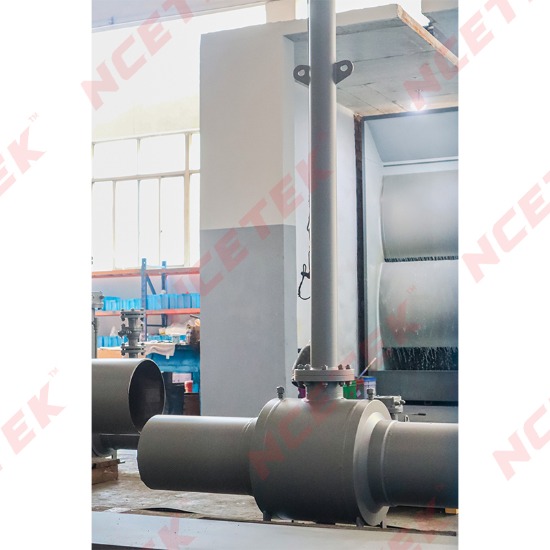
Sealing problems are not always caused by the valve itself. Dirt, damage, poor positioning, or uneven connection force can affect the sealing area during installation. Underground placement makes such problems more troublesome because direct inspection becomes harder once the pipeline has been covered.
Connection surfaces should remain clean before assembly. Dust, soil particles, moisture, or small pieces of construction material can interfere with proper contact between sealing surfaces. A sealing element that is twisted, displaced, or damaged during installation may also affect the connection.
Uneven tightening can create another problem. One side of a connection may receive more force than another, leaving an irregular contact condition. Careful assembly helps keep the connection stable and reduces unnecessary pressure on individual areas.
A practical inspection can focus on three points:
For an Underground Ball Valve, sealing inspection should be completed while the connection remains easy to reach. Waiting until a problem appears underground can make the same inspection much more difficult.
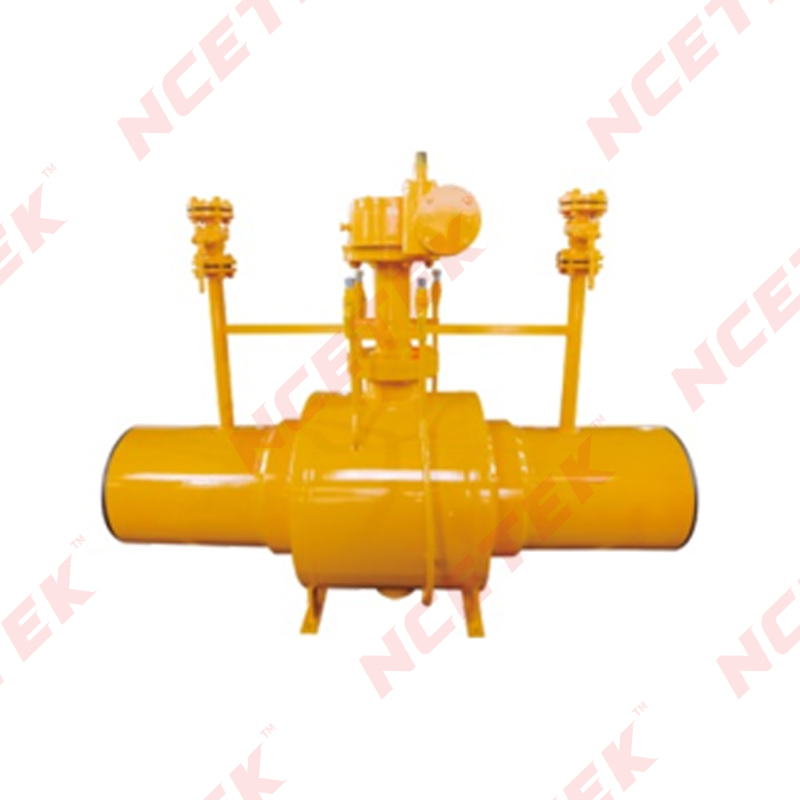
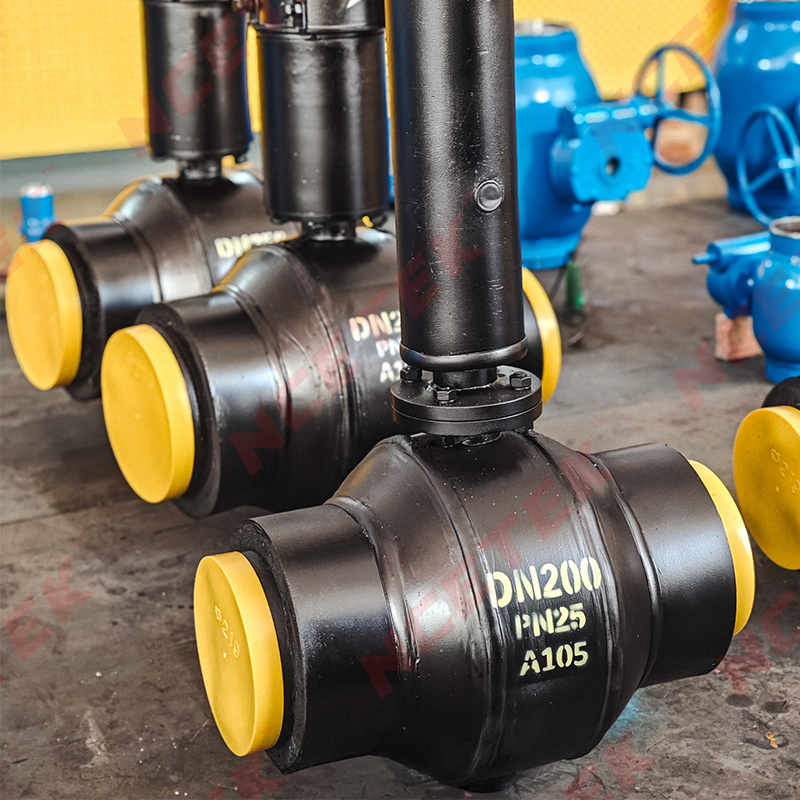
Welding creates a permanent connection between the valve and pipeline, so installation quality becomes especially important. A Full Welded Ball Valve relies on the connected pipe sections remaining properly aligned during the welding process. Poor positioning can leave stress around the connection even when the outside weld appears complete.
Heat from welding also needs to be handled carefully. Nearby valve components may be affected by excessive or poorly controlled heat during construction. Following the applicable installation instructions helps keep welding work separate from areas that should not receive unnecessary heat.
Before welding begins, pipe ends and the valve should be positioned correctly. Workers should avoid using welding operations to correct major alignment problems. A connection that requires force to remain in position may place additional pressure on the valve after installation.
After welding, the connection area should be checked before further construction covers it. Attention can be given to visible connection condition, valve position, operating movement, and signs of displacement.
A useful sequence is:
Care during welding does more than protect the visible connection. It also helps maintain the intended relationship between the valve and surrounding pipeline, which can affect later operation.
Correct installation is therefore not limited to making a valve fit into a pipeline. Direction, alignment, sealing, and connection work all influence the condition that remains after the installation area is closed. Once those points have been checked, attention can move to external protection, soil contact, and the conditions created during backfilling.
An Underground Ball Valve remains surrounded by soil and moisture after installation, so external protection becomes part of the installation work rather than a separate concern. Damage to a protective surface during handling, connection, or backfilling can leave exposed areas in contact with the surrounding environment.
Protective treatment can also be affected by welding work. Heat, tools, and rough handling around the connection area may damage an existing protective layer or leave part of the surface without adequate coverage. Inspection should therefore continue after connection work rather than stopping once the valve has been joined to the pipeline.
Several areas deserve attention before the valve is covered:
Underground protection also depends on the condition of surrounding materials. Sharp stones, construction debris, or other hard objects placed directly against a protected surface can cause damage during installation or later movement of the soil.
A protective layer that looks intact before backfilling may still be affected during the following construction steps. Careful handling therefore needs to continue until the valve has been safely positioned and the surrounding area is ready for filling.
Backfilling is sometimes treated as a routine construction step, although the material placed around a valve can influence its final position. Uneven filling may create pressure on one side of the pipeline, while careless placement of hard material can affect external surfaces or connected sections.
An Underground Ball Valve should remain properly positioned while soil or other filling material is placed around it. Heavy material dropped directly onto the valve can create unnecessary impact. Material pushed forcefully toward the pipeline can also move a pipe section away from its original position.
The sequence of backfilling matters as well. Surrounding material should be placed in a controlled manner so that pressure develops around the pipeline rather than concentrating at one point. Sudden movement near the valve can change alignment that was checked earlier during installation.
Several practical conditions are worth checking:
Soil movement after installation can also influence pipeline position. A valve connected to pipe sections that shift in different directions may experience additional force around the joints. Stable surrounding support helps maintain the original installation condition.
Underground installation often leaves less working space around a valve than an exposed pipeline arrangement. Space that appears sufficient during construction may become restricted after protective structures, soil, or nearby pipeline components are in place.
Operating access should therefore be considered before covering begins. An operating stem, handle, or extension component needs enough room for movement. A valve positioned too close to another structure may remain physically intact while becoming difficult to operate.
Poor positioning can also create maintenance problems. A valve may need inspection or operation later, and access should not depend on removing unnecessary surrounding materials. Planning the operating area during installation reduces the chance of creating an inaccessible arrangement.
A simple site check can include:
For underground equipment, physical location can influence actual usability as much as the valve connection itself. A correctly connected valve can still become inconvenient to operate when the surrounding installation leaves insufficient working space.
Once connection, protection, and positioning work have been completed, a final inspection should take place before the valve disappears below the surrounding material. At this stage, several conditions remain visible and can still be corrected without extensive excavation.
Inspection should cover the complete installation rather than focusing on a single connection point. Valve direction, pipe alignment, sealing areas, welded connections, external protection, and operating access all form part of the same installation condition.
A useful inspection order can follow the actual construction sequence:
A written installation record can also help maintain a clear connection between construction work and later inspection. Information about valve position, connection status, and completed checks can provide useful reference when underground access becomes difficult.
Once an Underground Ball Valve is covered, many installation details are no longer directly visible. A small positioning error that could have been corrected during construction may later require excavation, pipeline isolation, or additional maintenance work.
Final inspection provides an opportunity to check the relationship between the valve and the surrounding pipeline before that access is lost. Attention to basic installation conditions can reduce avoidable problems related to direction, alignment, sealing, protection, and operation.
For a Full Welded Ball Valve, the same principle applies to the welded connection and surrounding pipeline. A permanent connection leaves less room for adjustment after construction, making positioning and inspection especially important before the area is closed.
Underground valve installation is therefore closely connected with the condition of the surrounding pipeline. Proper direction, stable alignment, careful connection work, suitable external protection, controlled backfilling, and practical operating access all contribute to a workable installation condition. Careful checks during each stage can prevent small construction errors from becoming difficult underground problems later.
 nce@cnnsv.com
 +86-15727968392 / +86-15397375798
 +86-577-67091815
 +86-577-67091815
 Dongou Industrial Zone, Oubei Street, Yongjia County, Wenzhou City, Zhejiang Province, China


Contact Us