
 русский
 简体中文
简体中文

Valves used in industrial fluid systems may operate around liquids or gases that can create additional risks when exposed to fire. Under normal conditions, the valve controls the movement of the medium through a pipeline. During an abnormal heat event, however, the materials and connections inside the valve may respond differently.
Fire safe design is concerned with what happens when heat affects sealing materials and other internal components. A valve may rely on nonmetallic sealing parts during normal operation. When exposed to high heat, those materials can soften, shrink, or lose part of their original sealing function. The surrounding metal structure then becomes important because the valve still needs to limit uncontrolled leakage.
The concern is not limited to the main flow passage. Several areas may need attention:
A fire safe approach therefore considers more than normal pressure control. It looks at how the valve structure responds as individual materials change under heat.
This is particularly relevant in systems where an uncontrolled release could allow the surrounding fire to spread or create additional hazards. The valve needs to remain part of the overall containment system even when some internal materials can no longer perform in their normal condition.
Fire safe design does not mean that a valve is unaffected by fire. Instead, the design considers how the valve behaves when fire or severe heat changes the condition of its sealing components.
During normal operation, soft sealing materials can provide close contact around moving and stationary surfaces. Under high temperature, those materials may deteriorate. A fire-oriented design therefore needs another sealing path or suitable metal contact to help control leakage when the original sealing material is no longer functioning as intended.
The valve body provides the main structural enclosure, while the stem connects the internal ball with the external operating mechanism. Sealing arrangements around these areas need to be considered separately because they experience different types of movement and loading.
| Design Area | Condition to Consider | Structural Focus |
|---|---|---|
| Valve body | Exposure to high heat | Structural containment |
| Ball and seat area | Loss of soft sealing material | Secondary sealing contact |
| Stem area | Heat and repeated movement | Stem sealing arrangement |
| Body connections | Heat around joints | Leakage control |
| Internal components | Changes in material condition | Continued containment |
The purpose of these features is to provide a controlled response when normal sealing conditions are disrupted. Rather than depending on one material to perform under every condition, the structure can provide additional support through other contact surfaces.
Fire safety also needs to be considered alongside normal valve operation. A component designed around fire conditions still has to open, close, and control the medium as required during ordinary service. The two conditions are connected because the arrangement of seats, stem components, body sections, and seals affects both normal operation and behavior during a fire.
The valve body forms the main enclosure around the internal flow components. It must maintain its structural role while the temperature around the valve changes. For fire safe design, the body is therefore considered as part of the containment path rather than simply an outer shell.
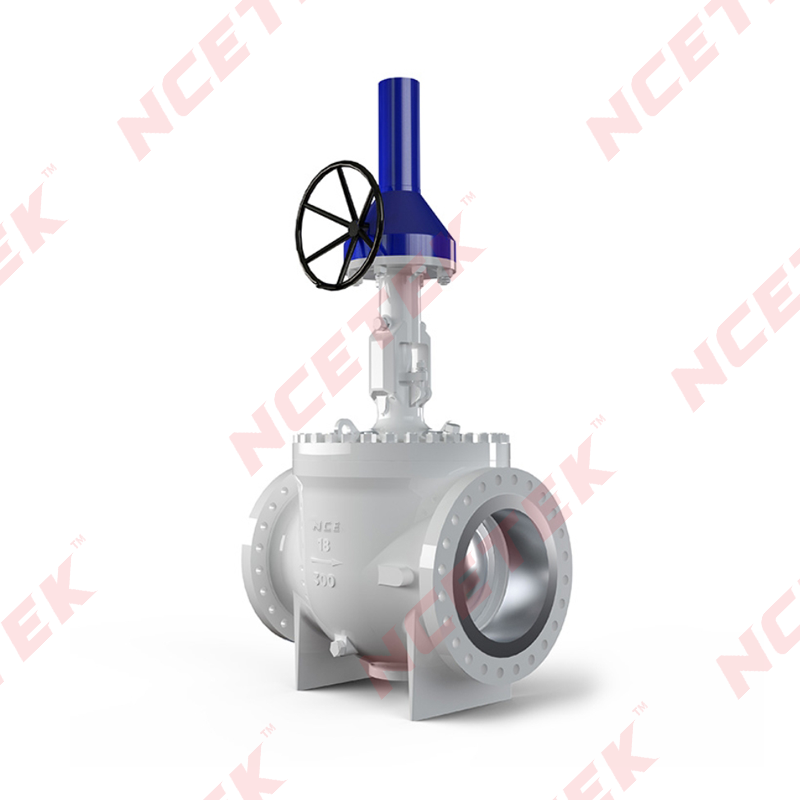
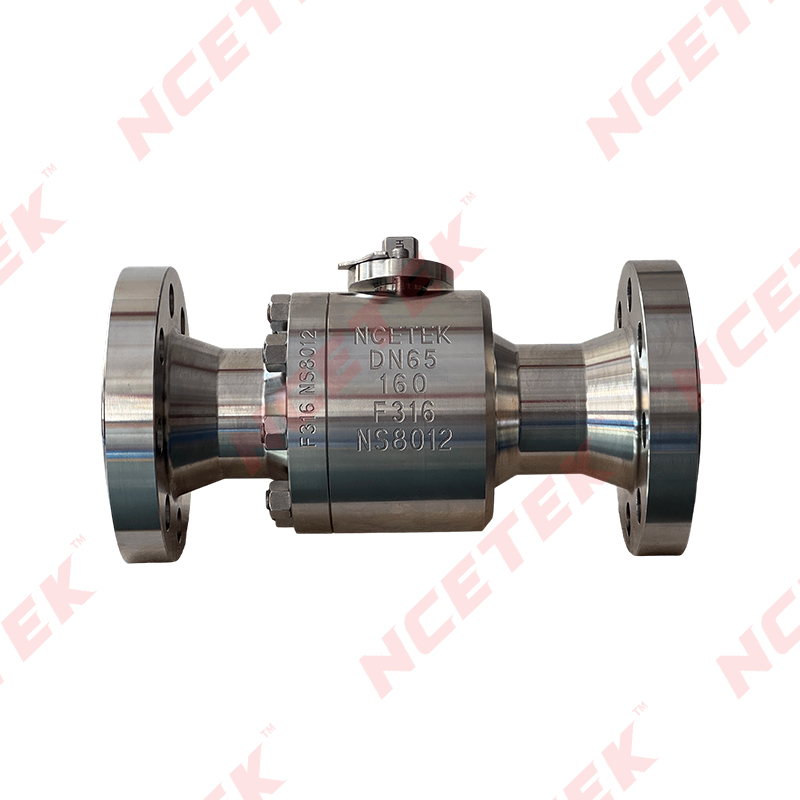
An API Top Entry Ball Valve has a construction that allows internal components to be accessed from the upper side. This arrangement influences how the body, cover, stem, and internal parts are connected. Each connection needs to maintain suitable contact under normal operation and remain structurally coordinated when exposed to abnormal heat.
Metal components generally respond differently to heat from soft sealing materials. As temperature rises, nonmetallic components can lose their original shape or sealing ability, while the metal structure remains the primary physical framework of the valve. The interaction between these materials becomes important when considering fire conditions.
The body connection area deserves particular attention. The cover or upper section needs to remain properly connected to the main body so that heat does not turn a small sealing change into a larger leakage path.
Other points worth considering include:
Body design also has to accommodate normal mechanical forces. Pressure, pipeline movement, and operation of the valve can place stress on different parts of the structure. Fire safety cannot be separated from these everyday conditions because a valve is exposed to the pipeline environment throughout its service life.
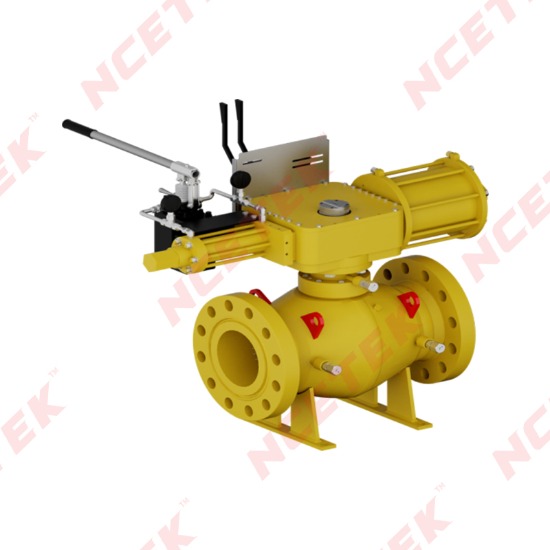
Sealing materials are used in many parts of a ball valve because they help create close contact between surfaces. During normal operation, this contact can limit leakage around the ball, stem, body connections, and other areas.
Heat can change the behavior of these materials. Depending on their composition and location, they may soften, shrink, lose elasticity, or break down. Once that happens, the sealing effect provided during normal service may become weaker.
Fire safe design therefore considers what remains available after a soft sealing element is affected. Metal surfaces may provide a secondary contact path, helping reduce the space through which the medium could escape. The exact arrangement depends on the valve structure and intended service conditions.
It is useful to distinguish between the different sealing areas rather than treating the valve as one single sealing point. The ball and seat area has a different function from the stem sealing area. Body connections also have their own requirements.
For selection and inspection, attention can be given to:
A fire safe design is therefore closely tied to material selection and mechanical arrangement. The goal is not to assume that every sealing material will retain its normal properties during a fire. Instead, the surrounding structure should account for the possibility of material change.
The stem connects the internal ball with the operating mechanism outside the valve body. Because it passes through the body, the stem area needs its own sealing arrangement. Under normal conditions, this area helps prevent the process medium from escaping around the moving connection.
Fire can change the condition of the materials used around the stem. A soft seal may lose its shape or elasticity when exposed to high heat. Once that happens, the remaining metal structure and contact surfaces become important for controlling leakage.
Stem design therefore involves more than allowing the ball to rotate. The stem needs to remain mechanically connected to the ball while the surrounding sealing area continues to provide a controlled path under changing conditions.
Several points deserve attention:
The connection between the stem and ball also matters during abnormal conditions. Excessive movement or unwanted displacement could affect the position of the internal flow component. A suitable structure keeps the operating mechanism connected with the internal assembly while allowing the valve to perform its intended function.
Normal operation and fire conditions are therefore linked. A stem arrangement cannot be considered only from the perspective of sealing. It also needs to accommodate the movement required to open and close the valve.
Top entry construction allows internal valve components to be reached from the upper side of the body. This can affect maintenance because access to the internal assembly does not necessarily require the same level of disturbance to the surrounding pipeline arrangement as other construction methods.
For equipment installed within a larger process system, maintenance conditions matter. A valve may be surrounded by pipes, supports, insulation, or other equipment. Access from above can provide a more direct route to internal components when inspection or service is required.
The structure usually includes an upper section connected to the main body. Removing this section provides access to internal parts such as the ball, seats, and stem assembly. During maintenance, the connection between these components needs to be restored correctly so that normal sealing and operation are retained.
Maintenance work should take account of:
The fire safe aspect remains relevant during maintenance because sealing parts may be replaced or reinstalled. A change in material or an incorrect installation can affect how the valve behaves during both ordinary operation and abnormal heat exposure.
Top entry construction also does not remove the need for suitable installation planning. Adequate working space is still necessary around the valve so that inspection and service can be carried out without unnecessary interference from nearby equipment.
This leads to an important point: structural design and maintenance access need to work together. A valve may have a suitable internal arrangement, yet difficult access can make routine inspection harder than expected.
A fire safe valve is part of a larger piping system, so its installation environment can influence how the design performs in practice. The surrounding pipeline, support arrangement, operating space, and nearby equipment should all be considered before installation.
Valve orientation is one basic point. The position of the operating mechanism needs to suit the available space and the intended direction of operation. At the same time, the upper section of a top entry construction needs sufficient clearance when internal access may be required later.
Pipeline alignment also deserves attention. A valve should not be forced into position simply to match an existing pipe connection. Unwanted mechanical stress can affect the body and connected components, making installation conditions relevant to long-term operation.
The surrounding environment should also be reviewed. Heat sources, moisture, corrosive surroundings, vibration, and restricted access can affect the practical use of the valve. Fire safe design addresses abnormal heat exposure, yet the valve still needs to function within its ordinary working environment.
| Installation Area | What to Check |
|---|---|
| Valve orientation | Whether operation and maintenance access are practical |
| Pipeline connection | Whether the valve aligns naturally with the pipe |
| Upper clearance | Whether internal top access is available |
| Valve support | Whether connected piping places unwanted force on the body |
| Surrounding conditions | Heat, moisture, vibration, and nearby equipment |
Installation planning should also consider future inspection. A valve that can be reached easily during normal operation may become difficult to service after insulation, supports, or nearby equipment are installed.
For a system where fire safety matters, the valve should therefore be considered as part of the complete installation rather than as an isolated component.
When discussing a valve with a Top Entry Ball Valve Factory, the focus can remain on actual operating conditions and structural requirements rather than general product descriptions. Clear information about the pipeline and medium helps determine whether the proposed construction is suitable for the intended application.
Fire safe design should be discussed in specific structural terms. Buyers can ask which sealing areas are involved, how the valve is expected to respond when nonmetallic sealing materials are affected by heat, and which metal contact surfaces provide continued leakage control.
Other useful questions include:
The operating medium should also be clearly identified. Different fluids can place different demands on sealing materials, body construction, and operating conditions. Temperature, pressure, surrounding environment, and pipeline arrangement are also useful information during technical communication.
A clear discussion can help separate several requirements that are sometimes treated as one. Normal sealing, fire response, maintenance access, and installation compatibility each involve different parts of the valve. Looking at them together gives a more practical picture of how the equipment will function within the pipeline.
Fire safe design is therefore closely connected with the complete valve structure. The body provides containment, sealing components control leakage during normal service, the stem transfers operating movement, and the top entry arrangement affects internal access. Installation conditions then determine how these features work within the surrounding piping system.
 nce@cnnsv.com
 +86-15727968392 / +86-15397375798
 +86-577-67091815
 +86-577-67091815
 Dongou Industrial Zone, Oubei Street, Yongjia County, Wenzhou City, Zhejiang Province, China


Contact Us