
 русский
 简体中文
简体中文

A change in operating torque can be an early sign that something within a pipeline valve or its operating arrangement has changed. Normal opening and closing should follow a reasonably consistent movement pattern, so a noticeable increase in resistance deserves attention rather than repeated force from an operator or actuator.
Several conditions can produce higher resistance. Pressure across the valve may have changed, sealing surfaces may have accumulated deposits, or the stem and supporting parts may have developed friction. External corrosion, pipeline debris, temperature changes, and actuator problems can create similar symptoms.
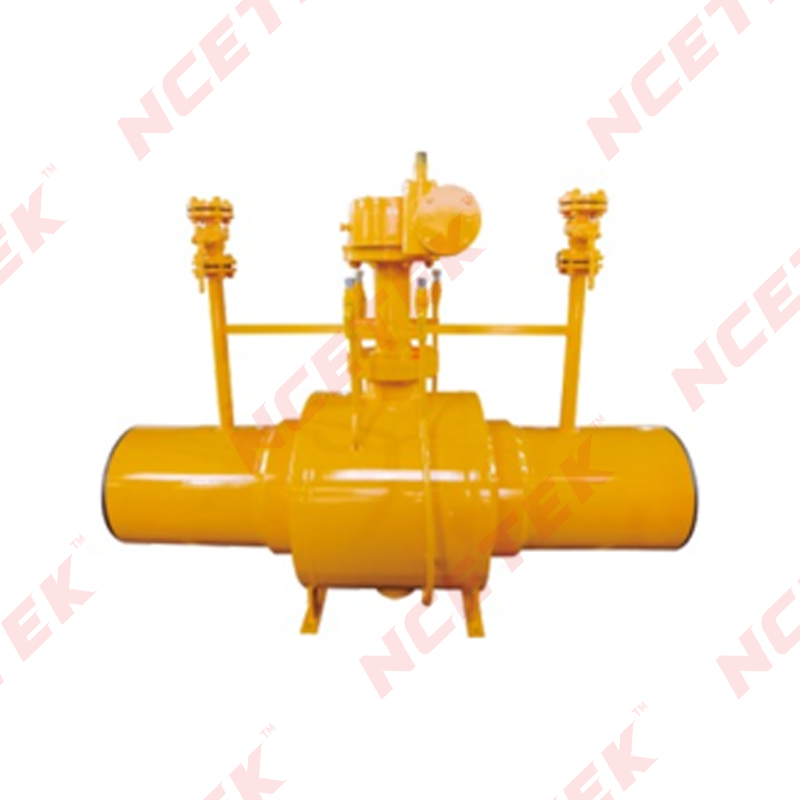
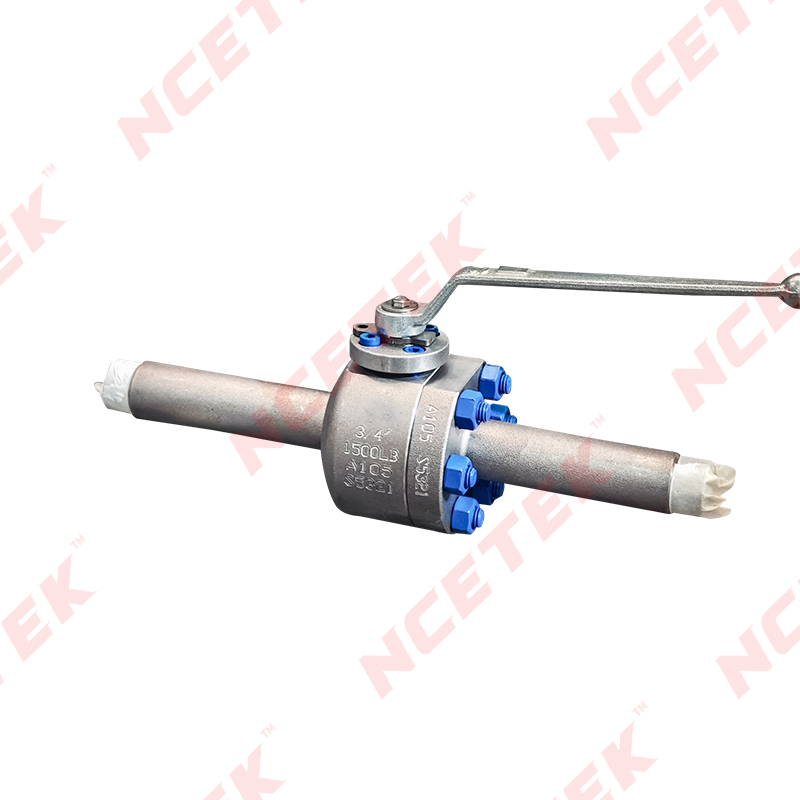
Identifying the source requires looking at the complete operating arrangement rather than focusing on one component. A Full Welded Ball Valve works as part of a pipeline system, meaning flow conditions, surrounding equipment, operating frequency, and maintenance history can all affect movement.
A useful initial distinction is whether resistance appears:
Such observations can narrow the possible causes before inspection begins. Forcing a stiff valve through repeated operation may hide the original problem and can place unnecessary stress on the stem, sealing surfaces, actuator, or other connected parts.
Safety needs to come before mechanical troubleshooting. A valve installed within a pressurized pipeline may contain stored pressure or hazardous material, so inspection procedures should follow the requirements of the specific installation.
Before any physical intervention, qualified personnel should confirm the operating condition, isolation arrangements, pressure state, and safe access conditions. A simple command to stop the actuator does not necessarily make an installation safe for inspection.
Recent changes in the pipeline can provide useful clues. Maintenance, cleaning, welding work, flow changes, or replacement of nearby equipment may have altered conditions around the valve.
Operating history can also help. A gradual increase in resistance may point toward wear, deposits, corrosion, or lubrication‑related changes. A sudden change following maintenance may suggest alignment, contamination, or adjustment issues.
A preliminary check can cover:
| Inspection Area | What To Look For |
|---|---|
| Operating history | Gradual or sudden torque change |
| Pipeline condition | Recent maintenance or flow changes |
| Pressure | Changed pressure conditions across the valve |
| External condition | Corrosion, damage, or contamination |
| Actuator | Coupling, alignment, and operating response |
| Valve movement | Position where resistance becomes noticeable |
Visual inspection should take place before unnecessary disassembly. External signs cannot identify every internal problem, yet they can reveal conditions that deserve closer attention.
Pressure has a direct relationship with the forces acting inside a valve. When pressure conditions change across a closed or partially open valve, internal forces can influence how easily the ball and sealing components move.
A valve that operated smoothly under one pressure condition may require different operating effort under another. Pressure changes can occur because of altered flow, upstream or downstream equipment, temporary process conditions, or changes in pipeline operation.
Resistance should therefore be considered together with valve position. A problem that appears only during opening may have a different cause from resistance that remains throughout the complete movement.
Checking pressure conditions can help separate process‑related resistance from mechanical friction. Such information becomes particularly useful when the valve itself shows no obvious external damage.
Operators should avoid assuming that increased torque means the internal components have failed. A pressure‑related condition may create additional resistance without permanent damage to the valve.
When reviewing pressure, attention can be given to:
Qualified personnel should determine suitable measurement and isolation procedures according to the installation. Pressure readings need to be interpreted alongside valve design and service conditions rather than viewed as an isolated number.
Sealing components sit close to moving surfaces, so changes in their condition can influence operating resistance. Deposits, contamination, wear, deformation, or changes in contact pressure may make rotation harder.
A valve exposed to dirty or abrasive media can gradually collect material around areas where movement takes place. Even a relatively small amount of buildup may affect the relationship between the ball and sealing surfaces.
Long periods without operation can create another situation. Moving components that remain stationary for extended periods may become harder to operate, particularly when deposits or surface changes are already present.
Wear should be considered as well. Sealing surfaces are designed to maintain controlled contact, yet operating conditions can gradually change their condition. Excessive contact or physical damage may increase friction during movement.
Inspection needs to match the valve design and service environment. Opening a welded pipeline valve without a suitable procedure can create unnecessary risk, so internal examination should be handled by qualified personnel using appropriate methods.
A practical diagnostic approach is to compare the location and timing of increased resistance with the valve position. Resistance that appears near a particular part of the travel may provide a different clue from resistance that remains constant throughout movement.
Forcing the handle or actuator to overcome resistance can create additional damage. A growing torque requirement should instead prompt a search for the underlying cause.
Stem movement transfers operating force to the internal ball, making stem condition an important part of torque investigation. Corrosion, contamination, wear, poor alignment, or unsuitable lubrication can increase friction around moving parts.
External stem areas can sometimes be inspected without disturbing the main pipeline connection. Signs of corrosion, damaged surfaces, unusual movement, or leakage around relevant areas may provide useful information.
Supporting components can influence movement as well. A bearing or supporting surface that has become contaminated or worn may increase resistance even when the internal ball and sealing surfaces remain in reasonable condition.
Alignment deserves attention when an actuator is installed. A mechanical connection that does not follow the intended operating path can place additional load on the stem. Such resistance may be mistaken for an internal valve problem.
Lubrication also needs careful consideration. Adding lubricant without identifying the valve design or existing condition is not always appropriate. Some problems result from physical wear or contamination rather than a lack of lubricant.
A simple inspection sequence can focus on:
Mechanical resistance should be separated from pressure‑related resistance whenever possible. Looking at both areas together gives maintenance personnel a clearer picture of what may have changed.
A Full Welded Ball Valve can remain mechanically sound while external operating components create higher torque. Checking the complete force path helps prevent unnecessary replacement of internal parts.
Pipeline cleanliness has a close relationship with valve movement. Particles, scale, welding residue, rust, or other unwanted material can enter the flow path during installation, maintenance, or changes to the pipeline.
Debris may interfere with moving surfaces or become trapped near sealing areas. When a ball rotates through a contaminated area, resistance can increase, particularly where clearance between components is limited.
Pipeline work deserves special attention because contamination can enter during activities that disturb existing pipe sections. Cleaning and flushing procedures suitable for the installation can reduce the chance of unwanted material reaching sensitive valve areas.
Debris‑related resistance may appear together with other signs, such as irregular movement or a sudden change after maintenance. Such timing does not prove contamination as the cause, yet it provides a useful clue for further investigation.
Forcing a contaminated valve through a difficult movement can make the situation worse. Particles may damage sealing surfaces or moving components when excessive force is applied.
A suitable investigation considers:
Cleaning requirements depend on the service and valve construction. Qualified personnel should determine an appropriate method rather than applying a general cleaning procedure to every installation.
Higher operating torque does not always come from inside the valve. An actuator, gearbox, coupling, or connecting mechanism can create additional resistance even when internal components remain in reasonable condition.
A useful starting point is to compare valve movement with actuator behavior. Unusual noise, irregular movement, delayed response, or incomplete travel may indicate a problem within the operating mechanism rather than the valve body.
Coupling alignment deserves attention because an offset connection can place unwanted force on the stem. Mechanical parts that are not aligned correctly may increase friction and produce a torque pattern that resembles internal resistance.
Adjustment can also influence operation. An actuator that has been incorrectly set may stop before the intended valve position or apply force in an unsuitable part of the movement. Changing actuator output without identifying the cause can place additional stress on the connected equipment.
A practical check can cover:
Testing should follow suitable isolation and operating procedures. Where the valve is installed in a pressurized or hazardous pipeline, qualified personnel need to determine safe methods for separating valve resistance from actuator resistance.
Replacing an actuator simply because operating torque has increased may not resolve the underlying issue. A restricted valve can continue to resist movement even after a larger actuator is installed.
Operating surroundings can gradually affect moving and sealing components. Temperature, moisture, corrosive media, abrasive particles, vibration, and long periods without operation can all influence mechanical behavior.
Temperature changes may alter the condition of sealing materials and clearances between components. A valve operating under conditions different from those considered during selection may therefore show changes in movement.
Corrosive surroundings can affect exposed external components, especially around stems, fasteners, and operating mechanisms. External corrosion does not always mean internal damage, yet it deserves inspection when torque begins to change.
The service medium also matters. Clean fluids create different conditions from media containing particles or substances that may leave deposits on internal surfaces.
Operating frequency provides another clue. A valve that moves regularly may behave differently from one that remains in one position for long periods. Long idle periods can allow deposits or surface changes to develop around moving areas.
A basic review can consider:
| Condition | Possible Influence On Operation |
|---|---|
| Temperature change | May alter sealing and material behavior |
| Moisture | Can contribute to external corrosion |
| Corrosive surroundings | May affect exposed components |
| Abrasive medium | Can contribute to surface wear |
| Contaminated flow | May leave deposits near moving parts |
| Long idle periods | May increase sticking tendency |
| Frequent operation | May increase wear over time |
Service conditions should be compared with the intended application of the valve. A change in operating environment can be as important as a change in the valve itself.
A Fully Welded Ball Valve Supplier can provide useful technical information when operating resistance changes, especially when maintenance personnel need to compare current conditions with the original valve configuration.
Useful information may include valve size, operating medium, pressure conditions, temperature range, operating frequency, actuator arrangement, installation position, and the point during travel where torque increases.
Maintenance records can add another layer of information. Previous inspections, repairs, operating problems, and changes to surrounding pipeline equipment may help identify when the change began.
A technical discussion can focus on several practical questions:
Clear information can help separate a valve‑related problem from an actuator or pipeline‑related problem.
Supplier support should not replace inspection by qualified personnel. A supplier can provide product information and technical guidance, while the site team remains responsible for safe isolation, inspection, and decisions based on actual operating conditions.
Correct technical communication becomes particularly useful when a welded valve cannot be removed easily from an operating pipeline. In such cases, accurate information about construction, operating limits, and maintenance procedures can help personnel determine an appropriate inspection path.
Recording findings after an inspection can make future troubleshooting easier. A torque problem that disappears after adjustment may return later, so keeping a clear record helps maintenance personnel compare conditions over time.
Records do not need to be complicated. Basic information about operating behavior, valve position, pressure condition, actuator response, visible damage, and maintenance actions can provide useful reference material.
A simple record can include:
Recording the position where resistance occurs can be particularly helpful. Resistance near the beginning of movement may suggest a different issue from resistance that appears near the fully open or fully closed position.
Changes should also be recorded after maintenance. When cleaning, lubrication, adjustment, or component replacement changes the operating behavior, the result provides useful evidence about the original cause.
For installations with repeated operating cycles, maintenance records can reveal patterns that are difficult to notice during one inspection. A gradual increase in resistance may become clearer when compared with previous observations.
A rise in operating torque should lead to diagnosis rather than immediate replacement. Several conditions can produce similar symptoms, so identifying the source can prevent unnecessary work on components that remain suitable for service.
A logical troubleshooting sequence can move from external and operating conditions toward deeper inspection:
Operating Condition → Pressure → Actuator → Stem → Sealing Area → Internal Inspection
Starting with operating conditions allows simple changes to be identified before more involved work begins. Pressure and actuator checks can then help separate process‑related resistance from mechanical resistance.
Stem and coupling inspection provides another stage. When external components operate correctly, attention can move toward sealing surfaces, contamination, or internal mechanical conditions.
Safety requirements remain part of every stage. A welded valve installed in a pressurized pipeline should not be opened or physically disturbed without an appropriate isolation procedure.
Several signs can help determine when further investigation is needed:
A Full Welded Ball Valve is connected closely to its pipeline environment, so operating torque should be considered as a system condition rather than a single‑component measurement. Pressure, flow medium, actuator arrangement, sealing condition, stem movement, and surrounding environment can all influence how much force is required.
For maintenance teams and a Fully Welded Ball Valve Supplier, clear operating information provides a practical basis for technical discussion. Careful observation, suitable inspection, accurate records, and appropriate safety procedures can help identify the source of increased resistance while avoiding assumptions based on torque alone.
 nce@cnnsv.com
 +86-15727968392 / +86-15397375798
 +86-577-67091815
 +86-577-67091815
 Dongou Industrial Zone, Oubei Street, Yongjia County, Wenzhou City, Zhejiang Province, China


Contact Us