
 русский
 简体中文

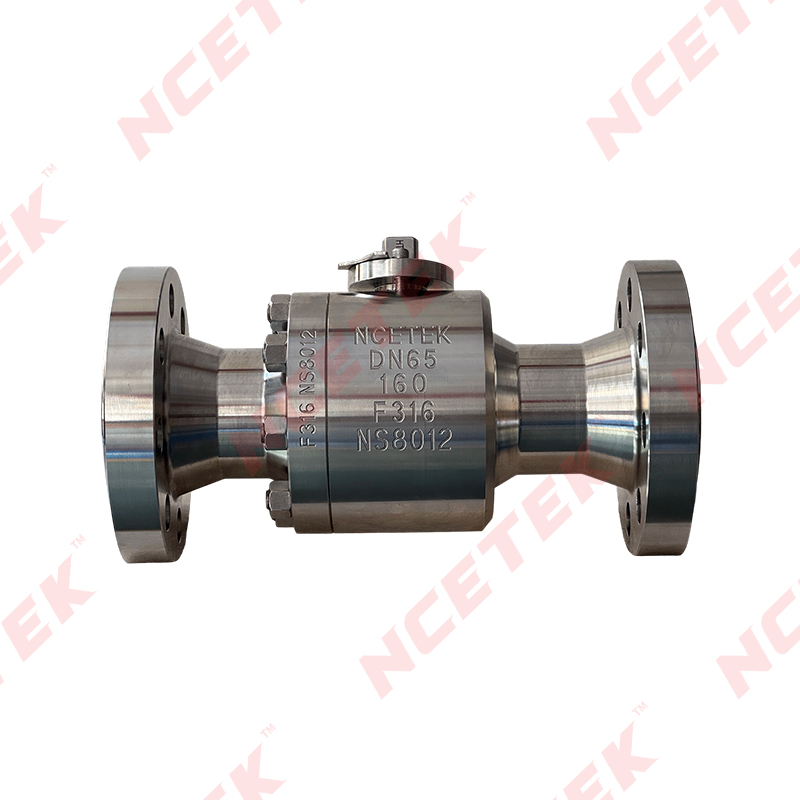
A steam line, a thermal oil loop, or a hot gas header places valves under steady heat, pressure swings, and repeated movement. A small loss around a valve may go unnoticed for weeks because it appears as a faint odor, a stain, or a slow drop in inventory instead of a visible leak. A Heat Resistant Ball Valve has to be judged by how well it controls flow and also by how well it keeps the media inside the pipeline. Material choice, sealing structure, stem arrangement, and build quality all contribute, and no single feature covers every leakage path.
Fugitive emissions are gases or vapors that escape unintentionally during normal operation. Around a ball valve they usually come from the stem area, body joints, or end connections. Escaping media can create safety concerns, waste product, and affect air quality in the work area.
Heat makes sealing harder. Metals and polymers expand when hot and contract when cooled, so the contact pressure between sealing surfaces shifts with each temperature cycle. A valve may also sit untouched for weeks and then be operated during a shutdown or process change, which loads the seals in different ways.
| Possible Leakage Area | Why It Needs Attention |
|---|---|
| Valve stem | Moves during operation and passes through a seal |
| Body connections | Joined sections must stay sealed |
| Ball and seat | Internal parts control the flow path |
| End connections | The valve must join the pipeline securely |
| Sealing materials | Heat and movement affect their condition |
Knowing where leakage can start guides inspection. Stem leakage calls for a different review from a weeping body joint or internal seat passing.
A ball valve turns a ball with a bore through it. When the bore lines up with the pipe, media flows. A quarter turn closes the path. The principle is simple, yet every seal around the ball and stem must remain suitable at the working temperature.
Materials come first. A seal that softens, hardens, or becomes brittle under the real operating conditions loses contact with the surface it is meant to press against. The body also needs to absorb temperature changes without placing unnecessary stress on its joints.
A practical design review can ask:
Heat resistance belongs to the whole valve. A suitable body material does not guarantee that every seal will perform as intended.
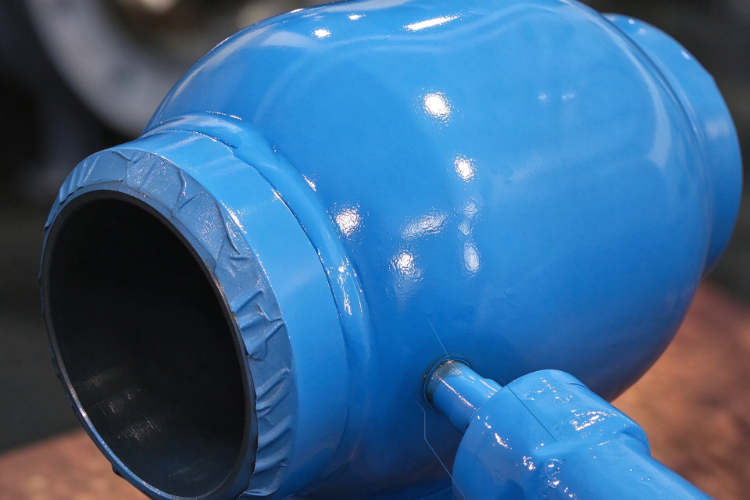
The stem links the handle or actuator to the ball. Because it passes through the body and moves with each operation, it needs a seal that allows rotation while limiting escape. That makes it a common focus in emission reviews.
Heat complicates this job. Temperature changes alter the shape and condition of the seal material, and repeated turning causes wear. Designers address the issue through several choices:
These features depend on each other. A good seal cannot make up for poor alignment, and a well-supported stem cannot compensate for an unsuitable seal material.
Sealing materials contain the media directly. In hot service, selection must consider more than temperature tolerance. The material must also cope with the process media, pressure changes, and repeated contact with moving or stationary surfaces. Different locations ask for different properties: the stem seal must accommodate movement, the seats must support tight closing, and body joints need sealing suited to their structure.
| Sealing Area | Main Design Consideration |
|---|---|
| Stem seal | Keeps contact while the stem moves |
| Ball seat | Supports tight closing |
| Body connection | Stops media escaping between sections |
| End connection | Maintains a sealed joint with the pipe |
| Supporting seal | Protects the main seal under service conditions |
A material that works in one place may fail in another. Chemical compatibility matters as well, since some media attack certain polymers or elastomers over time. Buyers should describe the media and operating environment clearly, so the manufacturer can select materials for the full application instead of temperature alone.
The body holds the internal parts and ties the valve into the pipeline. Many ball valves use bodies made of joined sections, and those joints need suitable seals that stay stable through heating and cooling. Uneven contact between joined surfaces or poor assembly can cause leakage even when materials are sound.
Reviews can cover the fit of body connections, the position of sealing parts, the strength of the assembled structure, the effect of temperature on connected components, and access to joints for inspection.
Pipeline connection deserves equal care. A valve with a good internal design can still leak if flanges are misaligned or sealing faces are damaged during installation. Handle sealing surfaces carefully and align the valve with the connected pipework. Body design is only one source of emission control, so stem seals and internal closing parts need review too.
Design sets the intention, and manufacturing delivers it. Small differences in part shape, surface finish, or assembly change how sealing parts fit together. If the ball and seat make uneven contact, the valve will not close as designed. The same applies to the stem and its surrounding seals.
Quality control can include:
A general pressure test gives useful information about sealing, but it does not automatically prove that every external leakage path has been evaluated. Buyers should ask what testing is included and whether it reflects their application. Clear documentation helps both sides understand the scope.
A general product description is not enough. Media type, temperature pattern, operating frequency, pipeline layout, and maintenance conditions all influence suitability.
| Selection Area | Question to Consider |
|---|---|
| Process media | Which gas or liquid passes through? |
| Temperature | Steady heat or repeated cycling? |
| Leakage concerns | Which areas need particular attention? |
| Stem arrangement | How is leakage around the stem controlled? |
| Sealing materials | Are they suited to media and temperature? |
| Body connections | How are joints sealed? |
| Testing | Which leakage checks are included? |
| Maintenance | Can sealing areas be inspected and serviced? |
Consider whether the valve will be turned by hand or by an actuator, since this affects stem loading. Sites with strict emission rules may need to review relevant standards and test reports, and the supplier should explain what the product was designed and tested to meet without unsupported claims. Sharing process data early helps the manufacturer recommend a suitable structure.
Even a well-built valve changes with service. Seals wear, temperatures cycle, and media exposure continues. A small release at the stem may not be visible, so choose inspection methods that fit the process and safety rules.
Follow the manufacturer’s instructions and site procedures. Industrial valves may hold hazardous media or trapped pressure, so isolate the line and use qualified personnel. A maintenance plan can include:
When leakage appears, find the source before acting. Tightening a joint without knowing the cause may not help, and replacing a stem seal will not cure a damaged body joint. Separate leakage from the valve itself from leakage at nearby flanges or connected equipment.
A change in media, temperature, or operating pattern calls for a fresh look at whether the original material and sealing choices still fit. Service feedback also helps manufacturers refine stem sealing, body connections, and material selection for a Heat Resistant Ball Valve.
 nce@cnnsv.com
 +86-15727968392 / +86-15397375798
 +86-577-67091815
 +86-577-67091815
 Dongou Industrial Zone, Oubei Street, Yongjia County, Wenzhou City, Zhejiang Province, China


Contact Us